What Is The Best Place To Research German Certificate Online
Understanding the German Certificate: A Comprehensive Guide
The German Certificate, typically referred to as a language certification, is a formal recommendation of a person's proficiency in the German language. This accreditation can open doors to numerous scholastic, expert, and individual chances. In a world significantly interconnected by globalization, having actually a recognized language certificate can be a significant possession. This article aims to provide an informative introduction of the German Certificate, including its types, significance, exam details, and responses to regularly asked concerns.
Table of Contents
- What is a German Certificate?
- Kinds Of German Certificates
- 2.1 Goethe-Zertifikat
- 2.2 TestDaF
- 2.3 Telc
- Value of Obtaining a German Certificate
- Evaluation Format
- Preparing for the Exam
- Frequently Asked Questions
- Conclusion
What is a German Certificate?
A German Certificate is a standardized test taken by non-native speakers to evaluate and certify their efficiency in the German language. These certificates are recognized worldwide, especially in German-speaking nations, and are vital for anyone wanting to study, work, or live in Germany or other German-speaking nations.
Kinds Of German Certificates
Several organizations use German language certifications, each with its special features and target audiences. The most recognized accreditations consist of:
Certificate Name
Issued By
Levels Available
Target Audience
Goethe-Zertifikat
Goethe-Institut
A1 to C2
Public, students
TestDaF
TestDaF Institute
B1 to C1
University admission
Telc
telc GmbH
A1 to C1
General public, employment purposes
ÖSD
ÖSD (Österreichisches Sprachdiplom)
A1 to C2
Individuals intending to live or work in Austria
2.1 Goethe-Zertifikat
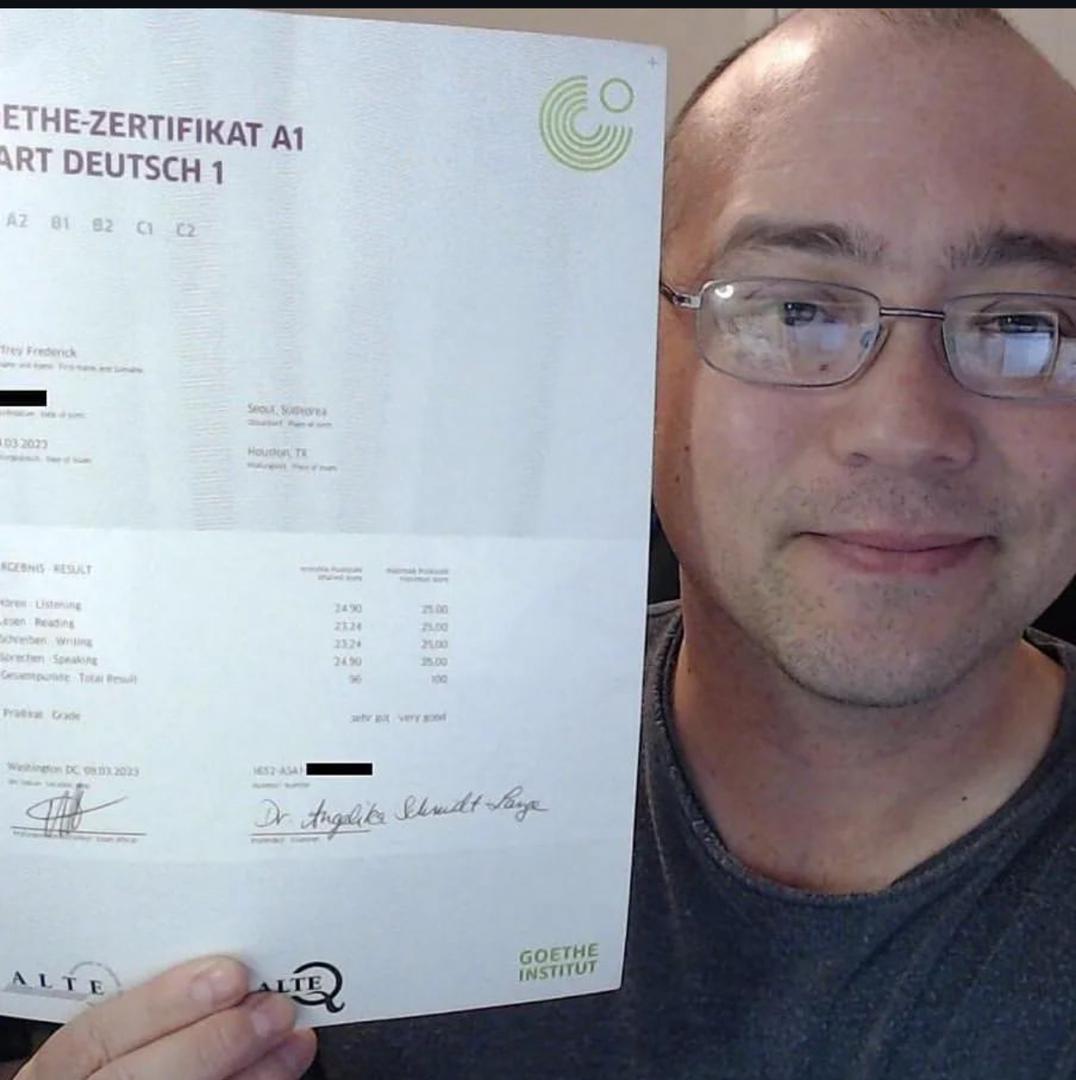
The Goethe-Zertifikat is one of the most prominent certifications readily available. Geothe Zertifikat 4 All includes 6 levels, from A1 (newbie) to C2 (proficient). The exam assesses language abilities in reading, composing, listening, and speaking. Successful conclusion of a Goethe-Zertifikat can reinforce one's academic and professional credentials.
2.2 TestDaF
The TestDaF is customized for individuals preparing to study at a German university. It covers 4 key areas: reading, listening, writing, and speaking, and is offered at 3 efficiency levels: TDN 3, 4, and 5, with TDN 5 being the highest.
2.3 Telc
The telc exam is recognized in both Germany and a number of European countries. It uses a large variety of expert accreditations and concentrates on practical language abilities appropriate to different fields such as company, healthcare, and social work.
Significance of Obtaining a German Certificate
Profession Opportunities: Many employers in Germany and other German-speaking nations need proof of language efficiency. A German Certificate can boost a resume and improve working with potential customers.
Academic Admission: For trainees wanting to register in German organizations, a language certificate is often a prerequisite. Universities may require particular levels as part of the admission criteria.
Combination: Obtaining a German Certificate can help in the combination process for immigrants, offering a strong structure for understanding regional languages, cultures, and customs.
Personal Motivation: For many, finding out a language is a personal objective. Earning a certificate can work as an inspirational tool and a concrete step of enhancement.
Assessment Format
The format of the exams varies by organization however typically includes four main sections:
- Listening Comprehension: Evaluating the ability to understand spoken German.
- Reading Comprehension: Testing the capability to check out and comprehend composed texts.
- Composing: Assessing the capability to express oneself in written German.
- Speaking: Examining conversational skills and the capability to communicate successfully.
Sample Table of Examination Formats
Certificate Name
Listening
Checking out
Composing
Speaking
Goethe-Zertifikat
40 minutes
65 min
80 min
15 min
TestDaF
30 minutes
60 min
90 min
25 min
Telc
20 minutes
40 minutes
60 minutes
15 min
Getting ready for the Exam
Preparation is key to performing well on any language proficiency exam. Here are numerous reliable methods for studying:
Enroll in Language Classes: Formal classes supply structured learning and access to skilled trainers.
Online Resources: Websites like Duolingo, Babbel, and Deutsche Welle offer tools and products for self-study.
Practice Tests: Familiarize yourself with the exam format through practice tests and sample concerns.
Language Exchange: Engaging in conversation with native speakers can boost conversational skills and self-confidence.
Flashcards: Utilize flashcards for vocabulary building and grammar rules.
Regularly Asked Questions
1. For how long is a German Certificate legitimate?
A German Certificate does not generally end however might be thought about less legitimate for academic or expert functions after a few years, as language proficiency can wane gradually without practice.
2. Where can I take a German Certificate exam?
Exams are offered at numerous areas worldwide, generally at qualified screening centers such as Goethe-Institut, universities, and language schools.
3. What is the expense of obtaining a German Certificate?
The expense varies by certification type and testing center. Generally, fees can vary from EUR150 to EUR250 or more, depending upon the level and location of the exam.
4. Can I retake the exam if I fail?
Yes, candidates are permitted to retake the evaluation. However, it is advisable to evaluate and enhance language skills before attempting again.
5. What happens if I lose my certificate?
Most institutions will supply a replacement certificate for a cost upon verification of your outcomes.
The German Certificate is a valuable asset for anybody wanting to show their proficiency in the German language. Whether for academic, expert, or individual reasons, the significance of acquiring this accreditation ought to not be undervalued. With various types of certificates available, potential prospects can choose the exam that finest fits their objectives and preparation needs. With the right preparation and devotion, attaining a German Certificate can be an improving experience, leading to many opportunities for individuals in an increasingly interconnected world.